

Pod Parts (18)
View Sub-Category
Replacement Glass (19)
View Sub-CategoryPARTS
Choosing a beginner vape kit
Vape Starter Kits, in Minnesota and Beyond
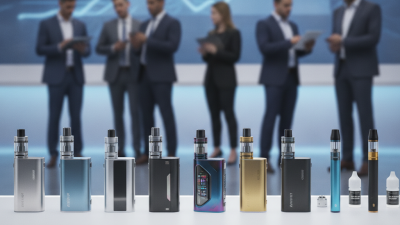
The best eCig, Box Mods and Vape Starter kits are just around the corner, or a short ship time away. If you are looking to purchase the best beginner vape kit for your dollar.Things often included in beginner vape kits, you might want to watch for.
- Battery, or multiple batteries.
- Clearomizer tanks
- Replacement Coils
- USB Charging Cable
- AC Power Adapter
- Free bottle of juice, or multiple
- Blunt Needle tips
The key is to find the right balance between value and price.
Of course you don't want to skimp, and have to re-buy a kit, but you do always have the opportunity to buy a more premium kit if you find you've graduated from past vape set-up. Things to think about as you choose, are whether the system will work other systems. - Some threading is specific to the brand and won't work with other devices, when you're looking at reviews check the source and make sure to weigh several reviews against each other and make an educated decision. Thanks for making Ecig Market your choice for Beginner Vape Kits in Brooklyn Center, Minnesota.Why Choose the Best Vapor Products for Global Buyers?
Global buyers are asking a sharper question: what makes a vapor product genuinely reliable?
The answer is not a bright package or the lowest wholesale price. The best vapor choice combines documented quality, lawful distribution, consistent performance, and responsible communication. Grand View Research estimated the global e-cigarette market at approximately USD 26 billion in 2023, while noting that market definitions differ. That difference matters. Numbers can look precise while hiding uneven product categories, regional rules, and reporting methods.
The World Health Organization continues to call for strict controls, age restrictions, and protection from youth access. Buyers should therefore request laboratory reports, ingredient disclosure, batch identification, child-resistant packaging, and transparent manufacturing records. Local authorization must be checked before shipment. It is not a minor detail.
Dr. Konstantinos Farsalinos, a researcher in tobacco harm reduction, has stated, “Electronic cigarettes are not harmless, but they are much safer than smoking.” This distinction deserves care. It does not make every vapor product safe, suitable, or legal. It also does not justify medical promises. Responsible suppliers should avoid such claims and explain limitations clearly.
A practical review might begin with a sealed sample, a readable label, and a traceable test report. Then inspect battery protection, leakage control, flavor consistency, and recycling guidance. Simple checks reveal serious differences.
No supplier is perfect.
That is why global buyers should compare evidence, not slogans. The best vapor product is the one that meets applicable laws, protects consumers, and remains accountable after the sale.
What Defines a High-Quality Vapor Product?
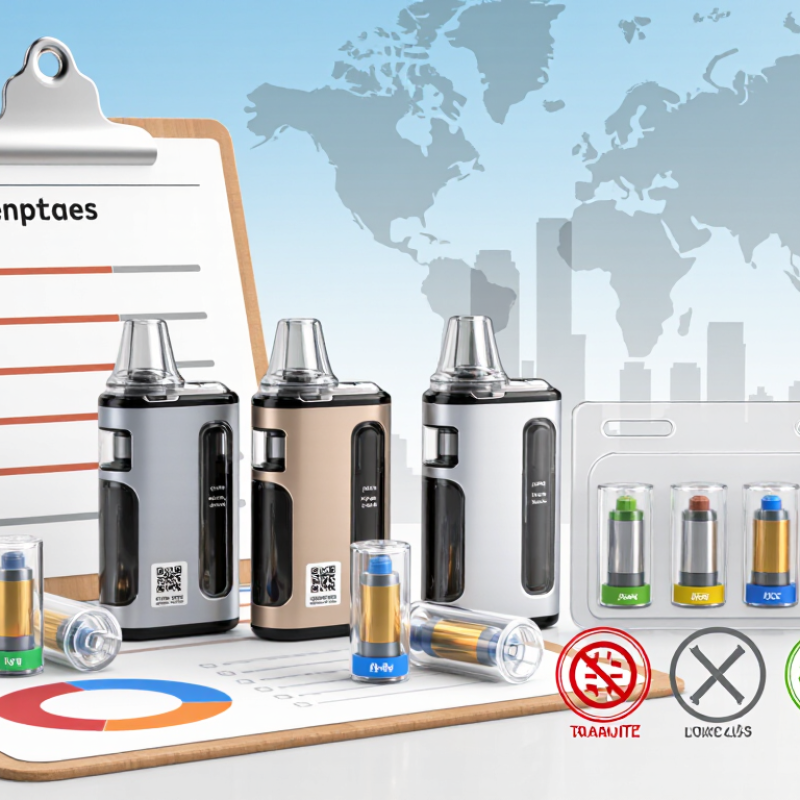
High-quality vapor products begin with controlled materials, not attractive packaging. A credible supplier identifies every component, including liquids, metals, seals, and battery cells. The CDC’s 2023 National Youth Tobacco Survey recorded 2.13 million U.S. students using e-cigarettes. This finding makes age controls, clear labeling, and responsible distribution essential in lawful markets. Quality is not only performance.
Independent testing should verify emissions, electrical safety, leakage, and contaminant limits. ISO/IEC 17025 accreditation shows that a laboratory can produce technically valid results. For rechargeable devices, buyers should review testing aligned with IEC 62133-2 and applicable transport requirements. The WHO’s 2023 global tobacco report highlights the need for stronger monitoring of emerging nicotine products. Traceable batch codes matter. They connect each unit with test records and corrective action.
A dependable product should offer consistent airflow, stable output, secure seals, and readable instructions. The EU Safety Gate 2023 report recorded 3,412 consumer-product alerts, showing why supplier screening cannot depend on brochures. Ask for current certificates, not screenshots. A certificate alone is not enough. I would also inspect returned units, complaint rates, and storage conditions. Some buyers overlook heat exposure during shipping. That mistake may weaken seals or shorten battery life. “Best” remains a practical judgment, not a marketing label.
Why Choose the Best Vapor Products for Global Buyers? – What Defines a High-Quality Vapor Product?
| Quality Dimension | Recommended Quality Benchmark | How Buyers Can Verify It | Why It Matters in Global Purchasing |
|---|---|---|---|
| Regulatory Compliance | The product should comply with the destination market’s rules for ingredients, labeling, packaging, notification, and sales restrictions. | Request market-specific declarations, technical files, laboratory reports, labeling artwork, and evidence of required product notifications. | Vapor-product requirements differ substantially by country. Compliance documentation reduces customs, recall, and market-access risks. |
| Nicotine Accuracy | Declared nicotine concentration should match independent laboratory results within the tolerance accepted by the applicable market or test method. | Use accredited third-party testing, batch-specific certificates of analysis, and documented sampling procedures. | Accurate dosing supports legal compliance, consistent user experience, and reliable product specifications across shipments. |
| E-Liquid Ingredient Control | Ingredients should be traceable, documented, and screened for contaminants such as heavy metals, unwanted solvents, and microbial contamination where applicable. | Review ingredient specifications, supplier records, batch traceability, and independent chemical and microbiological test reports. | Controlled inputs improve product consistency and help buyers meet different ingredient restrictions in international markets. |
| Battery Safety | Rechargeable cells and battery packs should be evaluated against applicable electrical, abuse, and transport-safety requirements, including IEC 62133-2 and UN 38.3 where relevant. | Check battery test summaries, transport-test documentation, protection-circuit specifications, and shipping classifications. | Verified battery controls help reduce risks related to overheating, short circuits, transport incidents, and product liability. |
| Leak and Seal Performance | The cartridge, pod, tank, and filling interfaces should remain sealed during normal use, vibration, storage, and transport conditions defined by the buyer. | Request documented leak-test procedures, sample inspection records, transport simulations, and agreed defect-rate limits. | Leak prevention protects packaging, reduces returns, and improves user safety and product presentation. |
| Heating and Aerosol Consistency | Heating output, activation response, airflow, and aerosol delivery should remain consistent across production batches and within the device’s specified operating range. | Compare production samples using the same puffing protocol, record output variation, and review calibration and quality-control records. | Consistent performance supports repeat purchasing, fewer complaints, and more predictable inventory planning. |
| Materials and Product Construction | Materials in the liquid path should be suitable for intended contact, while the housing, mouthpiece, seals, and connections should withstand normal handling and use. | Request material declarations, supplier specifications, dimensional inspections, and compatibility or migration testing where required. | Material control reduces contamination, deformation, premature failure, and supply-chain quality variation. |
| Packaging and Child-Resistant Features | Packaging should provide tamper evidence, protection against leakage, clear warnings, ingredient information, and child-resistant features when required by local law. | Review packaging test reports, artwork approvals, closure specifications, and destination-market labeling checks. | Appropriate packaging supports consumer safety, retail acceptance, regulatory clearance, and efficient international transport. |
| Traceability and Batch Control | Each production lot should be identifiable through batch codes linked to materials, manufacturing dates, testing records, and release decisions. | Verify batch-code structure, retention samples, inspection records, and documented corrective-action procedures. | Traceability enables faster investigations, targeted withdrawals, and better quality management across multiple markets. |
| Quality Management System | A controlled manufacturing system should cover incoming materials, in-process inspections, final release, nonconformities, supplier qualification, and change management. | Assess documented procedures, audit results, inspection plans, calibration records, and corrective and preventive action reports. | A repeatable system is more reliable than appearance alone and helps maintain stable quality at larger order volumes. |
| Shelf Life and Storage Stability | The stated shelf life should be supported by real-time or accelerated stability data covering appearance, leakage, nicotine concentration, and relevant chemical characteristics. | Request stability protocols, test intervals, storage conditions, expiration criteria, and recommended temperature and humidity ranges. | Validated stability helps protect product quality during long-distance shipping, warehousing, and seasonal inventory cycles. |
| Responsible Product Information | Marketing and packaging should provide factual product information without unsupported health claims or messaging directed at non-users or minors. | Review labels, online content, user instructions, age-gating controls, and local advertising restrictions before launch. | Responsible communication reduces regulatory exposure and supports sustainable, compliant market development. |
Note: Requirements vary by destination market. Buyers should confirm current local laws and use accredited testing laboratories or qualified regulatory advisers before commercial distribution.