PARTS

  • Pod Parts

    Pod Parts (18)

    View Sub-Category
  • Replacement Glass

    Replacement Glass (19)

    View Sub-Category
  • PARTS

      PARTS

    • Pod Parts

      Pod Parts (18)

      View Sub-Category
    • Replacement Glass

      Replacement Glass (19)

      View Sub-Category

    Choosing a beginner vape kit

    Vape Starter Kits, in Minnesota and Beyond

    The best eCig, Box Mods and Vape Starter kits are just around the corner, or a short ship time away. If you are looking to purchase the best beginner vape kit for your dollar.

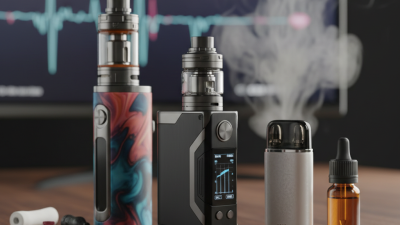
    Things often included in beginner vape kits, you might want to watch for.

    • Battery, or multiple batteries.
    • Clearomizer tanks
    • Replacement Coils
    • USB Charging Cable
    • AC Power Adapter
    • Free bottle of juice, or multiple
    • Blunt Needle tips
    Other things that might happen to be in a kit, will depend on the kind of device it's focusing on. Variable voltage devices, and more Intermediate starter kits, Sub-Ohm Kits may come with more serious attachments and add-ons.

    The key is to find the right balance between value and price.

    Of course you don't want to skimp, and have to re-buy a kit, but you do always have the opportunity to buy a more premium kit if you find you've graduated from past vape set-up. Things to think about as you choose, are whether the system will work other systems. - Some threading is specific to the brand and won't work with other devices, when you're looking at reviews check the source and make sure to weigh several reviews against each other and make an educated decision. Thanks for making Ecig Market your choice for Beginner Vape Kits in Brooklyn Center, Minnesota.

    Why Choose Premium Juice for Global Buyers?

    Global buyers choose premium juice for more than its attractive color or polished label. They seek dependable quality from orchard to final shipment. A well-made product should show clear ingredient records, controlled processing, and consistent sensory results. Buyers may notice the difference in a bright citrus aroma, a clean finish, or the natural thickness of the liquid. These details matter when products reach retailers, restaurants, and households across different markets.

    Professional suppliers support their claims with traceability, laboratory testing, food safety systems, and documented supplier audits. They can explain where the fruit was grown, when it was processed, and how it was stored. Reliable packaging also protects flavor during long-distance transport. Temperature records, batch codes, and careful loading practices provide practical evidence of control. Certifications may strengthen confidence, but buyers should verify their scope and validity. A logo alone proves little.

    Premium does not mean perfect. Fruit varies by season, harvest location, and weather. Even careful processing cannot remove every natural difference. That is why experienced exporters communicate honestly about specifications, tolerances, and possible changes. They also listen to buyer feedback instead of treating one successful shipment as permanent proof. A strong partnership grows through repeated testing, transparent documents, and timely responses when something goes wrong. For global buyers, premium juice is therefore a measured decision. It combines taste, safety, consistency, and responsible sourcing with evidence that can be checked. The label may attract attention. Trust must be earned.
    Why Choose Premium Juice for Global Buyers?

    What Defines Premium Juice in the Global Beverage Market?

    What defines premium juice in the global beverage market? It is not a gold-colored label. Professional buyers examine fruit origin, processing, nutrition, packaging, and supply consistency. Grand View Research valued the global fruit juice market at more than US$140 billion in 2023. It also forecasts approximately 6% annual growth through 2030. This expansion raises expectations for measurable quality, not attractive storytelling.

    Premium juice should show clear traceability, including harvest region, variety, batch details, and processing date. A clean ingredient list matters. So does stable flavor. The International Fruit and Vegetable Juice Association highlights production risks linked to weather, crop disease, and logistics. Buyers therefore need suppliers with documented testing and reliable cold-chain controls. A bright color in the glass helps, but it proves little.

    Nutrition requires careful judgment. The World Health Organization recommends limiting free sugars to below 10% of daily energy intake, with further benefits below 5%. Premium juice is not automatically healthier. Concentrates, naturally occurring sugars, and serving sizes still require honest communication. This is where some market claims feel incomplete. A premium specification should include Brix, acidity, microbiological limits, pesticide screening, and sensory records. It should also explain what the product does not contain. Sometimes, restraint builds more trust than another impressive claim.

    How Premium Juice Quality Is Evaluated and Verified

    Why Choose Premium Juice for Global Buyers?

    Premium juice quality is evaluated through measurable evidence, not attractive color alone. Buyers typically check soluble solids, expressed as °Brix, alongside acidity, pH, aroma, and pulp consistency. Codex Standard 247-2005 provides international guidance for fruit juices, including identity, composition, and labeling requirements. A bright sample can still fail.

    Laboratories also screen for yeast, mold, pathogens, pesticide residues, heavy metals, and unauthorized dilution. The World Health Organization estimates that nearly 600 million people become ill from contaminated food each year, with 420,000 deaths reported annually. This makes microbiological control essential. A low pH helps, but it is not proof of safety.

    Verification should connect every result to a traceable batch. ISO 22000-based systems support hazard analysis, sanitation records, supplier checks, and corrective actions.

    Authenticity testing may compare isotope ratios or natural sugar profiles against reference data. These methods can expose added sugars or unusual processing. Yet no certificate is perfect. Sampling may miss a weak drum, and paperwork can hide practical gaps.

    Experienced buyers therefore review laboratory competence, sampling methods, production dates, and cold-chain records. The best evidence is consistent across documents, physical samples, and repeat tests. Some specifications still need revision. That is where honest quality management begins.

    Which Ingredients and Production Methods Set It Apart?

    Why Choose Premium Juice for Global Buyers?

    Which Ingredients and Production Methods Set It Apart?

    Premium juice begins with disciplined ingredient selection. Mature fruit provides fuller aroma, natural color, and balanced acidity. Buyers should request origin records, harvest details, and laboratory test results. These documents support traceability across changing supply chains. Clean labels matter, but “natural” does not always mean nutritionally superior. I would examine the full ingredient declaration instead.

    Production methods shape the final drinking experience. Freshly pressed juice may retain a bright, layered flavor. However, it usually needs strict refrigeration and faster distribution. Pasteurization improves safety and shelf stability when time and temperature are carefully controlled. Aseptic filling can protect juice without constant cold storage. High-pressure processing may preserve fresh notes in selected refrigerated products. The best method depends on the fruit, packaging, and destination market.

    Details matter here. A buyer can compare Brix, acidity, sediment, color, and aroma between batches. Reliable suppliers also verify seals, batch codes, storage conditions, and allergen controls. These checks reduce surprises after arrival. No process is perfect. Cold-pressed juice can separate, and heat-treated juice may lose some delicate aromas. That trade-off deserves honest discussion. In my experience, transparent records build more confidence than exaggerated freshness claims. Even small differences in harvest timing can change the finished cup.

    Why Choose Premium Juice for Global Buyers? - Which Ingredients and Production Methods Set It Apart?

    Evaluation Dimension Premium Juice Standard Typical Commercial Practice Why It Matters to Global Buyers
    Fruit content High fruit content with clearly declared juice or purée percentage May include water, sweeteners, flavorings, or juice blends depending on the product category Provides clearer positioning, easier labeling review, and stronger consumer confidence
    Ingredient profile Fruit juice or purée, natural water where required, and limited permitted additives Formulations can contain added sugar, acidulants, stabilizers, or artificial flavoring Supports clean-label claims when the formulation and local regulations allow them
    Soluble solids Controlled Brix level matched to the fruit type and product specification Brix may be adjusted with water or concentrate to meet a commercial target Improves consistency in taste, filling performance, and quality control across batches
    Acidity and pH control pH and titratable acidity are tested for every production lot according to the product specification Testing frequency and limits vary by processor and product type Helps manage microbial safety, flavor balance, and regulatory compliance
    Raw material sourcing Traceable fruit from defined growing regions, with supplier approval and incoming inspection Sourcing may prioritize price and availability, with different levels of traceability Reduces supply-chain uncertainty and supports origin, sustainability, and quality documentation
    Juice extraction Gentle pressing or pulping designed to retain natural color, aroma, and fruit solids Extraction intensity may be optimized mainly for yield and production efficiency Balances sensory quality with yield, helping create a more premium finished product
    Clarification and filtration Process selected according to whether the product is clear, cloudy, or high in natural pulp More intensive filtration may be used to produce a uniform, clear appearance Allows buyers to specify appearance and mouthfeel for different market segments
    Heat treatment Validated pasteurization or aseptic processing with controlled time and temperature Heat treatment is applied, but process controls and validation depth can differ Improves microbiological stability while limiting unnecessary flavor and nutrient damage
    Oxygen management Deaeration, low-oxygen filling, and suitable headspace control where applicable Oxygen-control measures may be limited or used inconsistently Helps protect color, aroma, vitamin C, and overall sensory stability
    Concentrate versus NFC Both concentrate-based and not-from-concentrate formats can be premium when specifications and processing are controlled Concentrate is widely used for efficient storage and international transport Enables buyers to select the best balance of flavor, logistics, storage, and cost
    Microbiological controls Routine testing for relevant microorganisms, environmental hygiene checks, and documented corrective actions Testing programs differ according to facility capability and market requirements Supports safer imports, fewer quality disputes, and more reliable shelf life
    Quality documentation Certificate of analysis, batch traceability, ingredient specifications, and production records Documentation may be limited to basic shipment and laboratory records Simplifies buyer approval, customs review, audits, and private-label registration
    Packaging format Aseptic cartons, bag-in-box, glass, PET, or other formats selected for the target channel Packaging is often selected primarily for unit cost and distribution convenience Improves fit for retail, foodservice, industrial, and e-commerce distribution
    Shelf-life strategy Shelf life established through validated processing, packaging, storage studies, and real-time or accelerated testing Shelf-life claims may rely mainly on standard category expectations Reduces expiry risk during long-distance shipping and multi-country distribution
    International compliance Product specifications and labeling adapted to the destination market’s food, allergen, nutrition, and packaging rules One standard label or specification may be used across markets with limited adaptation Accelerates market entry and lowers the risk of border or labeling problems

    Note: Premium specifications vary by fruit type, product category, destination-market regulations, and buyer requirements. Final values should be confirmed through the approved product specification and certificate of analysis.

    How Premium Juice Meets International Buyer Requirements

    Why Choose Premium Juice for Global Buyers?

    International buyers need more than attractive flavor and bright packaging. They need juice that fits technical, regulatory, and commercial requirements. Premium juice should offer clear specifications for Brix, acidity, pulp content, allergens, and shelf life. Each lot should be traceable from approved fruit sources to filling and shipment. That detail matters when a container crosses several borders. A reliable supplier also provides certificates of analysis, ingredient statements, production records, and export documents in usable formats. Small errors can delay customs clearance.

    Consistency is equally important. Buyers may test samples before approving a supply contract, then compare every later shipment against the agreed profile. Controlled processing, calibrated instruments, hygienic facilities, and documented quality checks help protect that consistency. Cold-chain planning also matters for chilled juice, especially during port transfers and unexpected delays. Clear communication about lead times, minimum order quantities, packaging sizes, and pallet patterns makes purchasing easier. Practical experience often reveals issues that a product sheet misses.

    Still, premium does not mean perfect. Fruit changes with weather, harvest timing, and growing conditions. A responsible supplier should explain those limits instead of hiding them. We have seen how early notice can prevent a costly rejection, although communication is not always flawless. Buyers should review samples, audit records when appropriate, and confirm local import rules before ordering. Trust grows through evidence, honest updates, and repeat performance.

    Why Choose Premium Juice for Global Buyers?

    Nutritional transparency is an important part of international juice purchasing. This comparison shows the approximate vitamin C content of selected unsweetened juices per 100 g, based on USDA FoodData Central reference data.

    Higher vitamin C content can support clear nutrition communication, consistent product positioning, and informed buyer decisions. Actual values may vary according to fruit variety, processing, and storage.

    What Global Buyers Should Consider Before Choosing a Supplier

    Why Choose Premium Juice for Global Buyers?

    What Global Buyers Should Consider Before Choosing a Supplier

    Premium juice is not defined by a glossy label or a high quotation. Global buyers should examine how a supplier controls quality from orchard to shipment. Ingredient traceability matters. Each batch should connect to clear harvest, processing, and storage records.

    Ask for recent laboratory reports covering microbiological safety, pesticide residues, sugar content, and allergens where relevant. Check whether the testing laboratory is properly accredited in the supplier’s market. Request samples from different production batches. One excellent sample proves very little.

    Cold-chain control deserves close attention. Temperature records should be available during storage and transport. Packaging must suit long routes, port delays, and changing climates. A carton that performs well in a warehouse may fail after weeks at sea. Small details matter.

    Supplier capacity also needs honest discussion. Confirm minimum order quantities, lead times, filling options, and backup plans. A reliable supplier explains delays before they become expensive. They should also provide complete product specifications and export documents.

    Premium juice can still face variation. Fruit seasons change. Crop quality shifts. No forecast is perfect. Buyers should agree on acceptable taste, color, acidity, and sediment ranges before signing. Otherwise, both sides may judge the same shipment differently.

    I would also review communication speed and complaint handling. A supplier who hides minor problems may create larger ones later. Transparent records are more valuable than confident promises. Ask difficult questions early. The answers reveal more than a polished presentation.