2026 Best Vaping Devices in the United States?
Choosing the best vaping devices in the United States requires more than comparing sleek designs, battery life, or flavor options. This 2026 guide treats “best” as a safety and accountability question. It examines product transparency, age-verification practices, battery protections, warranty support, and evidence of quality control. Appearance matters less when a device lacks clear labeling or dependable customer service.
Current data also demands caution. The CDC’s 2022 National Health Interview Survey reported that approximately 6% of U.S. adults used e-cigarettes. However, the FDA and CDC’s 2024 National Youth Tobacco Survey recorded about 1.63 million middle and high school students using e-cigarettes. Youth access remains a serious public-health concern. Any responsible discussion of vaping united states must recognize this divide between adult use and youth exposure.
Scientific evidence is not perfectly simple. The National Academies found that e-cigarettes generally expose adults to fewer toxic substances than combustible cigarettes, but they are not harmless. Benefits may depend on completely switching from cigarettes, not adding another product. That distinction is often missed. The products reviewed here should therefore be understood as regulated consumer devices, not wellness tools or risk-free alternatives. Information changes quickly, and some conclusions remain uncertain. Readers should verify FDA status, local rules, manufacturer testing, and medical guidance before making decisions. Our evaluation aims to be practical, evidence-led, and honest about what current reports still cannot prove.
Vaping Devices in the United States: Definition and Main Categories
Vaping devices are battery-powered electronic systems that heat a liquid into an inhaled aerosol. They do not burn tobacco, but the aerosol can contain nicotine, ultrafine particles, and other chemicals. The U.S. Centers for Disease Control and Prevention reports that e-cigarettes remain the most commonly used tobacco product among American youth. In 2024, about 1.63 million middle and high school students reported current use, according to the CDC and FDA National Youth Tobacco Survey.
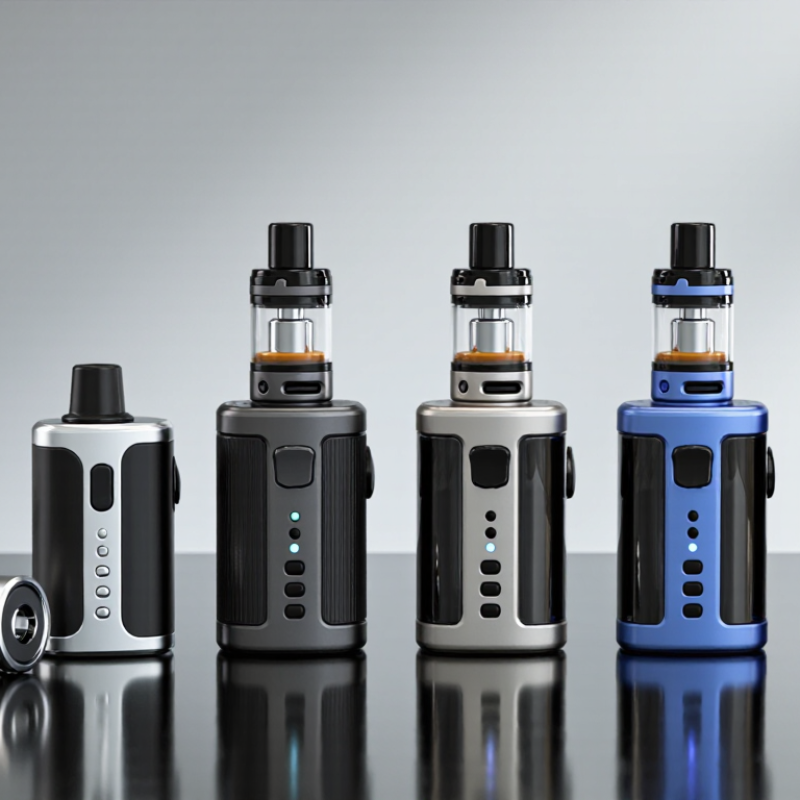
The main categories are closed-pod systems, open-system devices, disposable devices, and larger regulated tank systems. Closed pods use sealed, replaceable cartridges and offer simple handling. Open systems use refillable tanks, allowing more control over liquid volume and airflow. Disposable devices are compact and prefilled, but their short life creates significant battery and waste concerns. Larger tank systems usually provide stronger customization, although they require careful maintenance and safe storage.
“Best” depends on the user’s needs, not appearance or vapor volume. A practical evaluation should examine authorized market status, battery protection, child-resistant packaging, ingredient disclosure, and clear nicotine labeling. The FDA’s tobacco product database is a useful verification point, although listings and enforcement conditions can change. Independent testing also matters. Marketing claims are not always evidence. I would question any device promising effortless safety, because no inhaled aerosol is harmless. The industry still lacks long-term evidence for many newer designs. That uncertainty deserves more attention than glossy specifications.
How to Compare Device Design, Battery Life, and Ease of Use
2026 Best Vaping Devices in the United States?
For adults who can legally purchase vaping devices, comparison should begin with design, not appearance. A comfortable device should sit securely in your hand and resist accidental activation. Weight matters. A narrow body may fit a pocket, while a wider shape can feel steadier during use. Check the mouthpiece, button placement, charging port, and visible battery indicators. Small details matter.
Battery life depends on capacity, power settings, and usage frequency. A larger battery may last longer, but it can also increase weight and charging time. In practical testing, a device with clear battery feedback is easier to manage than one that suddenly stops working. USB-C charging is convenient, yet charging speed should not replace basic safety. Use the recommended charger, inspect damaged cables, and avoid charging unattended.
Ease of use includes filling, cleaning, adjusting airflow, and replacing permitted components. Tool-free access can help, especially for new adult users. However, simple controls do not always mean better performance. Some interfaces feel intuitive at home but awkward outdoors. I have found that judging comfort for only a few minutes can be misleading. Longer handling reveals slippery surfaces, loose buttons, or tiring grip angles. That trade-off matters. Review instructions, check product warnings, and confirm compliance with United States federal, state, and local requirements before choosing a device.
Regulatory Standards and Legal Considerations for 2026
2026 Best Vaping Devices in the United States?
Choosing a vaping device in 2026 requires more than checking battery life or vapor output. A legally marketed product should have the required federal authorization for its intended sale. The FDA’s current product listings remain an important reference, but state rules can be stricter. Some states limit flavors, impose special taxes, or restrict online delivery. Legal today does not always mean legal everywhere.
Look for clear age-verification procedures, accurate nicotine labeling, and safety information from the seller. Devices should include charging guidance, warning labels, and sealed packaging. Avoid products with unclear ingredients or exaggerated health claims. A professional review should also check recall notices and state restrictions before recommending any device. I still find this area confusing. Regulations change quickly.
Tips: Confirm the product’s legal status through official FDA resources and your state health department. Keep purchase records and follow local age requirements. Do not modify batteries or use damaged devices. Compare return policies, warranty terms, and shipping limits before ordering. A compliant device can still be unsuitable for your needs, especially if its controls are complicated or its battery lacks basic protections.
2026 U.S. Vaping Devices: Regulatory Standards and Legal Considerations
The chart highlights major federal milestones affecting vaping products in the United States. In 2026, purchasers must be at least 21 years old, and new vaping products generally require FDA marketing authorization under the Premarket Tobacco Application (PMTA) framework. State and local rules may impose additional restrictions, including flavor limitations, taxation, licensing requirements, and retail-use bans.
Reference sources:
U.S. FDA Tobacco 21,
U.S. FDA PMTA,
FDA Deeming Regulation.
E-Liquid Compatibility, Nicotine Options, and Safety Features
Choosing among the best vaping devices in the United States in 2026 requires more than comparing battery size. E-liquid compatibility matters. Refillable systems should clearly state suitable propylene glycol and vegetable glycerin ratios. Thick liquids can clog small coils, while thin liquids may leak. Closed systems reduce handling but limit flavor and nicotine choices. Check the manufacturer’s instructions carefully. Small mistakes matter.
Nicotine options range from zero-nicotine liquids to higher concentrations, where legally permitted. Nicotine salts often feel smoother at stronger levels, but that can encourage faster intake. The National Youth Tobacco Survey reported that 1.63 million U.S. students used e-cigarettes in 2024, showing why child-resistant storage remains essential. Adults who do not use tobacco should not start. The FDA also states that no tobacco product is safe.
Safety features deserve close attention. Look for overcharge protection, short-circuit protection, automatic power cutoffs, secure pod connections, and leak-resistant construction. Batteries should charge with the supplied cable and stay away from heat or loose metal objects. The National Academies found that e-cigarettes generally expose adults to fewer toxic substances than combustible cigarettes, but they are not harmless. Evidence keeps developing. I would not treat one safety test as proof of overall safety. A device with clear specifications, traceable ingredients, and accessible instructions is usually a more reliable choice than a cheaper, poorly documented option.
Maintenance, Responsible Use, and Emerging Device Trends
2026 Best Vaping Devices in the United States?
Choosing a vaping device in 2026 should involve more than battery size or screen design. Maintenance, responsible use, and verified safety features matter more. Look for clear operating instructions, battery protection, secure charging, and replaceable parts. Independent safety certification can provide useful reassurance. Real-world checks matter more than glossy specifications.
Maintenance begins with small habits. Wipe the mouthpiece regularly with a clean, dry cloth. Check the pod, seal, and charging port for leaks or residue. Replace damaged batteries, cracked pods, or burnt components immediately. Do not charge a device overnight or on soft surfaces. Store it away from children, pets, heat, and direct sunlight. Even careful users make mistakes. I would also inspect the device before every use.
Tips: Read the manual. Use only compatible parts. Stop if the device overheats, leaks, or behaves unusually. Follow local age, sales, and public-use rules. Adults who do not currently use nicotine should not begin. People trying to reduce use may benefit from speaking with a qualified healthcare professional instead of relying on device marketing.
Emerging trends include smarter puff tracking, improved leak resistance, USB-C charging, and more recyclable materials. These features may improve convenience, but they cannot remove health risks. A screen showing usage can encourage awareness, yet it may also create false confidence. Manufacturers should provide transparent testing data, disposal guidance, and clear warnings. Consumers deserve evidence, not impressive-looking promises.