


Pod Parts (18)
View Sub-Category
Replacement Glass (19)
View Sub-CategoryPARTS
Choosing a beginner vape kit
Vape Starter Kits, in Minnesota and Beyond
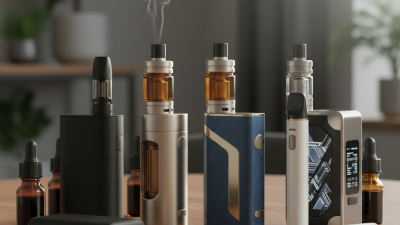
The best eCig, Box Mods and Vape Starter kits are just around the corner, or a short ship time away. If you are looking to purchase the best beginner vape kit for your dollar.Things often included in beginner vape kits, you might want to watch for.
- Battery, or multiple batteries.
- Clearomizer tanks
- Replacement Coils
- USB Charging Cable
- AC Power Adapter
- Free bottle of juice, or multiple
- Blunt Needle tips
The key is to find the right balance between value and price.
Of course you don't want to skimp, and have to re-buy a kit, but you do always have the opportunity to buy a more premium kit if you find you've graduated from past vape set-up. Things to think about as you choose, are whether the system will work other systems. - Some threading is specific to the brand and won't work with other devices, when you're looking at reviews check the source and make sure to weigh several reviews against each other and make an educated decision. Thanks for making Ecig Market your choice for Beginner Vape Kits in Brooklyn Center, Minnesota.2026 How to Navigate Vaping Regulations in the United States?
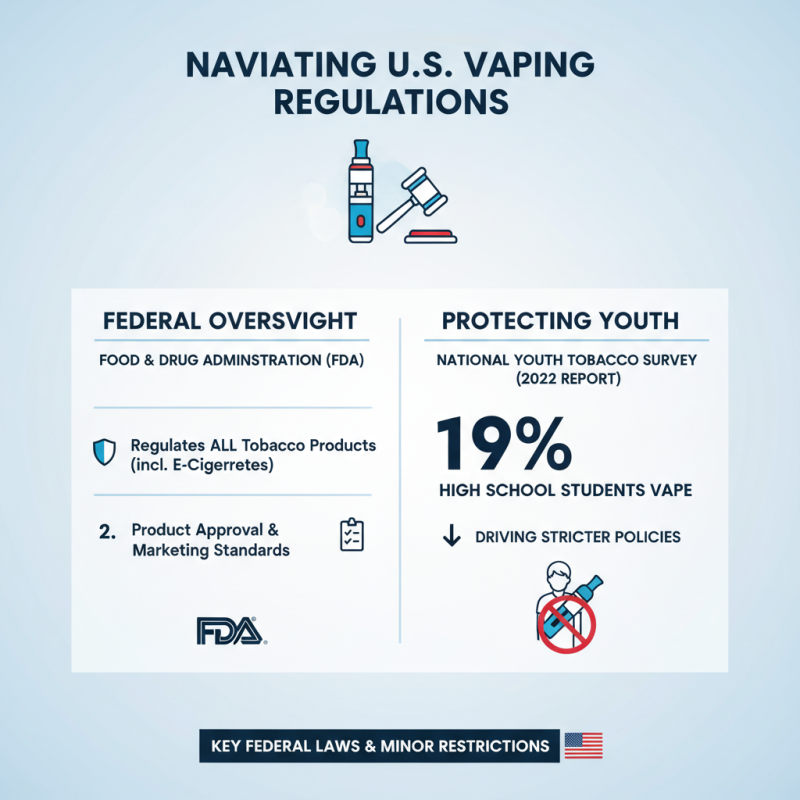
As the popularity of vaping continues to rise, navigating vaping regulations in the United States becomes increasingly complex. Vaping laws vary significantly by state and locality, prompting confusion among users. The evolving landscape demands awareness of local regulations and potential restrictions.
Many states have implemented age limits, while others are considering flavor bans. This patchwork of regulations can be overwhelming for consumers and businesses alike. Understanding the nuances of vaping regulations is crucial for compliance and safety. Users must stay informed and be cautious about where they purchase vaping products.
Reflecting on this complexity, it’s clear that many are unaware of the consequences of non-compliance. Vaping in the United States is not just about personal choice; it involves legal responsibilities too. Staying informed is essential for ensuring a safe and enjoyable vaping experience.

Understanding Vaping Regulations: An Overview of 2026 Landscape
In 2026, navigating vaping regulations in the U.S. is complex. Increased scrutiny surrounds vaping products. According to a recent industry report, 37 states have implemented age restrictions. Many now require consumers to be at least 21 years old to purchase vaping products. This shift impacts both retailers and users.
Local and state regulations vary greatly. Some cities have banned flavored vapes entirely. Others only regulate where vaping can occur. The evolving landscape demands that manufacturers stay alert to compliance requirements. A report from the National Institute on Drug Abuse shows that youth vaping rates are declining, but still concerning.
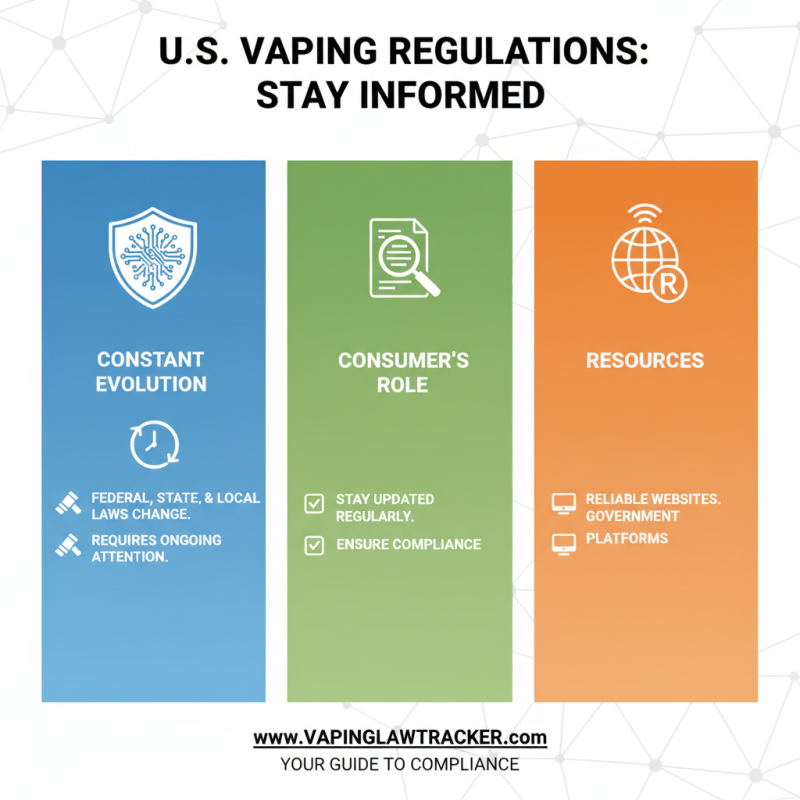
For consumers, understanding these changing regulations is crucial. Misinformation can lead to unintentional violations. As federal and state bodies adapt their approaches, being proactive in research is essential. Awareness of local laws will help maintain legal compliance while enjoying vape products. Awareness is key, but many still struggle to keep up. Regular checks on regulatory updates can be beneficial.
Related Posts
-
How to Choose the Best Vaping Products for Beginners?
-
Top 10 Best Vaping Devices for Beginners and Experienced Users?
-

Best 10 Premium Juice Brands You Need to Try Today?
-
Why Are These Brands Considered the Best for Ecigs?
-
What is vapor inside and how does it affect safety?
-

2026 How to Choose the Best Liquid for Your Needs?